
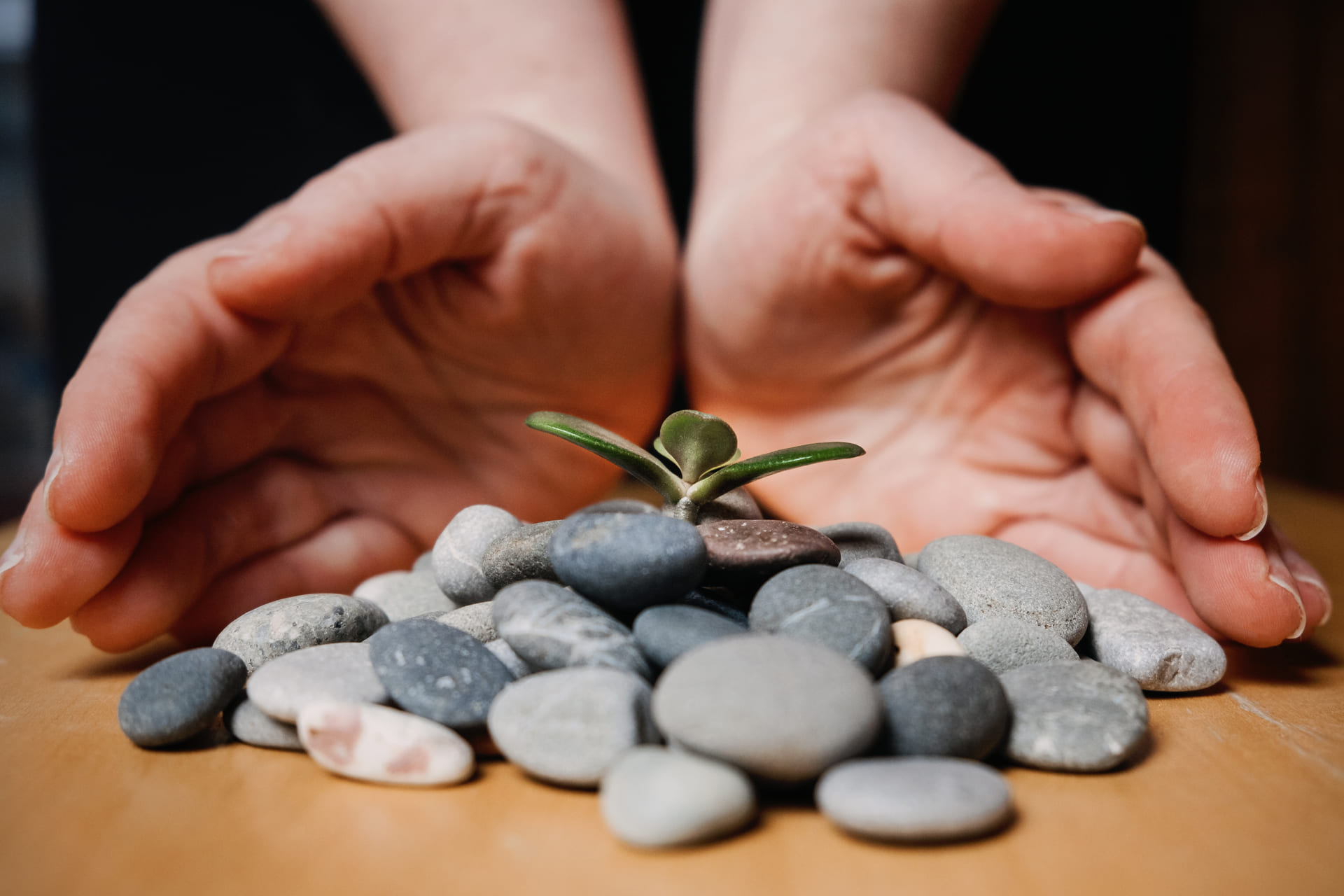

Resilience is often spoken about as bouncing back from adversity—but it is so much more than that. It is the capacity to meet what life brings with presence, flexibility, and inner steadiness. Rather than powering through or pushing past discomfort, resilience allows us to stay present and rooted—even when the path is unclear. True resilience is often quiet and internal. It lives in the nervous system, in the body, and in the way we relate to ourselves in moments of uncertainty. When we meet ourselves with compassion, curiosity, and care, we create the conditions for resilience to grow. From that space, we begin to respond—not just react—and offer ourselves the grounding needed to show up with clarity, care, and presence—for others, and for ourselves.
Uncertainty shows up in all areas of life—an unexpected job loss, the emotional weight of remote work, a difficult career decision, the quiet overwhelm of parenting while trying to meet deadlines. It can be a life event that shakes your foundations, like the loss of a loved one or the end of a relationship. It might come from the daily juggling act of working while caring for children, managing a household alone, or living with chronic stress that never quite lifts.
In these moments, the instinct may be to search for quick answers or external solutions. But resilience asks us to go inward. It asks: How am I meeting this moment? What is my body telling me? What do I need to stay grounded while everything else feels uncertain?
REDEFINING RESILIENCE: MORE THAN MENTAL STRENGTH
For many, resilience has been framed as toughness—an ability to push through, stay positive, or keep performing no matter what. But that definition often leaves little room for softness, slowness, or the very human need to pause.
Resilience, through the lens of the nervous system, takes on a different shape. It moves beyond mindset and into the body—it is a physiological experience as much as a mental one. Resilience involves the ability to shift between states of stress and safety, activation and rest, with fluidity and awareness. It is a grounded sense of inner resourcefulness that supports clarity, connection, and presence—especially when the world feels uncertain. Rather than being a fixed trait, resilience is a relational quality we can nurture over time. And like any meaningful practice, it begins with gentle attention and consistent care.
Each moment offers a choice—to move with force or to meet ourselves with care. Resilience begins when we choose to honour our needs, our rhythm, and our wholeness.
RESILIENCE LIVES IN THE BODY
Our nervous system is designed to help us respond to challenges. But when stress becomes chronic or overwhelming, the system can get stuck in patterns of fight, flight, or shutdown. Over time, this often leads to emotional exhaustion, mental fog, disconnection from others, and physical symptoms such as fatigue, tension, headaches, or digestive issues.
Resilience is the ability to recognise when we have shifted into one of these states—and to support ourselves in finding our way back. For working professionals, this means learning to navigate daily pressures in a way that supports nervous system health, rather than constantly overriding it to keep up with expectations and demands.
This might look like:
- Pausing before reacting to a moment of pressure or conflict
- Noticing a racing heart and choosing to slow your breath
- Giving yourself permission to rest without guilt
- Asking for support when everything in you wants to withdraw
These moments may seem small, but they are the foundation of nervous system restoration and self-trust. They remind the body that we are safe, that we have choice, and that we are not alone in the experience. Over time, these small acts of self-awareness become a steady inner resource—one we can return to whenever we need it.
THE ROLE OF MINDSET AND MEANING
While the body holds the experience of stress, the mind helps shape how we interpret and respond to it. Our mindset plays a powerful role in how we move through challenge—not by forcing positivity, but by helping us stay connected to a wider perspective. A resilient mindset does not ignore difficulty. It allows us to say, This is hard—and I trust I can meet it. It is the inner voice that stays anchored to our values, even when the path ahead feels uncertain. It reminds us that our worth is not defined by productivity, performance, or how composed we appear on the outside.
Meaning deepens this foundation. When we feel connected to something beyond the immediate moment—whether it is family, creative expression, spiritual grounding, or a quiet sense of purpose—we are more resourced to navigate life’s inevitable uncertainties with grace, intention, and care.
PRACTICAL WAYS TO CULTIVATE RESILIENCE
Building resilience is not about doing more or pushing harder. It is about learning how to return to yourself, especially when life feels messy, uncertain, or full. It is a practice of turning inward with curiosity and care.
Here are a few ways to begin:
- Start with small check-ins: How am I feeling? What is my body telling me right now? These quiet pauses build self-awareness and help you stay in tune with your needs before they become overwhelming.
- Support your nervous system: Use breathwork, grounding exercises, or gentle movement to shift from stress to steadiness. Even two minutes of intentional breathing creates space for calm.
- Create emotional space: Let yourself fully experience your emotions without rushing to change them. Emotions are messages from within, guiding you toward what is needed.
- Anchor into simple routines: Regular sleep, nourishment, movement, and rest provide stability for your body and mind. These rhythms help you stay centred, especially when external life feels unpredictable.
- Reconnect with your values: What truly matters to you? Let your choices reflect that, even in small ways. Aligning with your values builds inner strength and keeps you grounded.
RESILIENCE IS A RELATIONSHIP
Resilience is not about facing challenges alone. It is about building a relationship with yourself that is steady, compassionate, and responsive. From this foundation, you are better able to meet others—your family, your team, your community—with the same grounded presence and care.
Life will continue to bring moments of uncertainty and change. Yet, how we respond can evolve. With intention, practice, and the right tools, resilience becomes something we nurture and grow—not just something we hope for in times of struggle. It is in every choice, every pause, every moment of presence that we build the strength to face what comes our way.